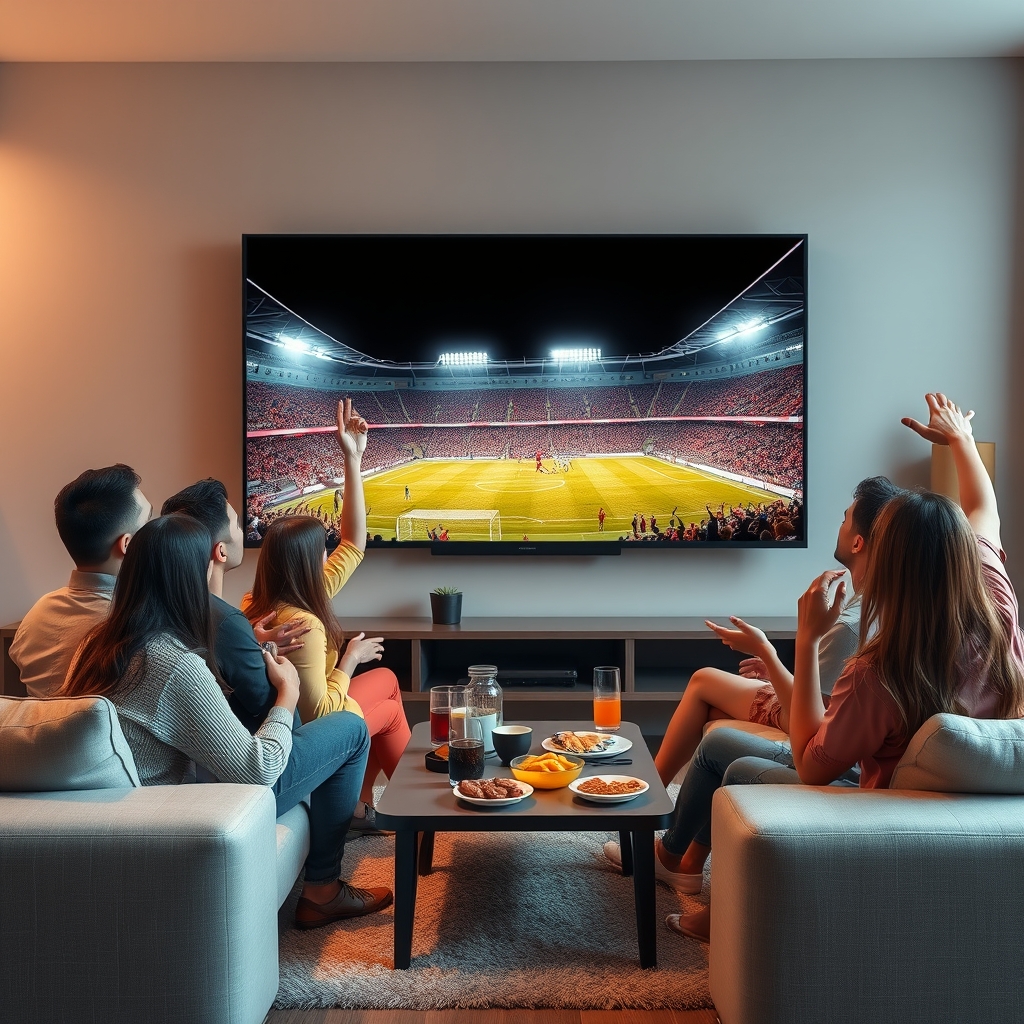

best iptv hdmi encoder hdmi solutions are revolutionizing how we consume and distribute video content. In 2026, the demand for high-quality, reliable, and efficient ways to convert HDMI signals into IP streams is higher than ever. Whether you’re a content creator, a business looking to broadcast internal communications, or an individual wanting to stream your gaming console to multiple devices, finding the best iptv hdmi encoder hdmi device is paramount. This comprehensive guide will delve into everything you need to know about these essential pieces of technology, helping you navigate the market and make an informed decision on the best iptv hdmi encoder hdmi for your specific needs.
Table of ContentsUnderstanding IPTV HDMI Encoders: The Core TechnologyKey Features to Look for in the Best IPTV HDMI Encoder HDMIOptimizing Your Streaming Experience with the Best IPTV HDMI Encoder HDMIInstallation and Setup: Getting Started with Your Best IPTV HDMI Encoder HDMIAdvanced Applications for the Best IPTV HDMI Encoder HDMI in 2026Choosing the Best IPTV HDMI Encoder HDMI: Factors to ConsiderFuture Trends for the Best IPTV HDMI Encoder HDMI in 2026FAQ About the Best IPTV HDMI Encoder HDMIRelated IPTV Services
Understanding IPTV HDMI Encoders: The Core Technology
At its heart, an IPTV HDMI encoder is a device that takes an HDMI input signal – which carries high-definition video and audio – and converts it into an IP (Internet Protocol) stream. This stream can then be distributed over a local area network (LAN) or the internet, allowing viewers to access the content on various devices such as smart TVs, computers, tablets, and smartphones. The “HDMI” in “best iptv hdmi encoder hdmi” refers to both the input source and often the output capability for monitoring, making it a crucial component for modern video distribution.
The process involves several key steps. First, the encoder receives the uncompressed digital video and audio from the HDMI source. Next, it compresses this data using various codecs, most commonly H.264 (AVC) or H.265 (HEVC), to reduce the file size without significant loss of quality. This compression is vital for efficient transmission over networks. Finally, the compressed data is encapsulated into an IP-compatible format, ready for streaming. The choice of codec and the quality of the encoding engine are critical factors in determining the overall performance and efficiency of the IPTV device.
For businesses, this technology opens up possibilities for internal signage, corporate training, and live event broadcasting. For homeowners, it means being able to share content from a single source, like a Blu-ray player or a gaming console, across multiple TVs in the house without running long HDMI cables. The versatility offered by the channels an encoder can deliver makes it an invaluable tool in today’s interconnected world, solidifying the need for the best iptv hdmi encoder hdmi.
Key Features to Look for in the Best IPTV HDMI Encoder HDMI
When searching for the best iptv hdmi encoder hdmi, several features stand out as crucial for performance, reliability, and ease of use. Understanding these will help you compare different models effectively. First and foremost is the supported resolution and frame rate. Most modern encoders support 1080p at 60fps, but if you’re working with 4K content, ensure the encoder is specifically designed to handle UHD resolutions. Compatibility with various HDMI versions (e.g., HDMI 1.4, 2.0, 2.1) is also important to ensure your source devices work seamlessly.
Another critical aspect is the choice of compression codecs. H.264 is widely supported and offers good quality at reasonable bitrates. However, H.265 (HEVC) provides superior compression efficiency, meaning you can achieve the same quality at a lower bitrate or higher quality at the same bitrate, which is particularly beneficial for internet streaming where bandwidth can be a concern. When evaluating the best iptv hdmi encoder hdmi, check if it offers both options, giving you flexibility.
Connectivity options are also vital. Most encoders feature an Ethernet port for network connection. Some advanced models might include Wi-Fi capabilities for wireless streaming, though a wired connection is generally preferred for stability and lower latency. Additionally, look for features like HDMI loop-out, which allows you to connect a local display to monitor the source content without any delay. This is incredibly useful for live broadcasts or presentations and often found in the best iptv hdmi encoder hdmi units. User-friendly pricing models often reflect these advanced features.
Optimizing Your Streaming Experience with the Best IPTV HDMI Encoder HDMI

Achieving an optimal streaming experience goes beyond just selecting the best iptv hdmi encoder hdmi; it involves understanding how to configure and deploy it effectively. Network infrastructure plays a significant role. A stable, high-bandwidth network connection is essential, especially for high-resolution streams. For local networks, using Gigabit Ethernet switches and cables will minimize bottlenecks and ensure smooth delivery of content. For internet streaming, a robust upload speed from your ISP is non-negotiable.
Latency is another factor to consider, particularly for live events or interactive applications. While all encoding and decoding processes introduce some delay, the best iptv hdmi encoder hdmi units are designed to minimize this. Look for encoders that boast low-latency capabilities. Adjusting bitrate settings can also impact latency and quality; a higher bitrate generally means better quality but also requires more bandwidth and can increase latency. Experimenting with these settings will help you find the sweet spot for your specific use case.
Security is paramount, especially when streaming sensitive content or over public networks. Ensure your chosen best iptv hdmi encoder hdmi supports encryption protocols and secure streaming options. Many professional-grade encoders offer features like HDCP (High-bandwidth Digital Content Protection) support to prevent unauthorized copying of copyrighted material. Always keep the encoder’s firmware updated to benefit from the latest security patches and performance improvements, ensuring your IPTV devices are secure.
Installation and Setup: Getting Started with Your Best IPTV HDMI Encoder HDMI
Installing and setting up your best iptv hdmi encoder hdmi doesn’t have to be daunting. Most modern encoders are designed for ease of use, often featuring a plug-and-play approach. Begin by connecting your HDMI source (e.g., camera, gaming console, Blu-ray player) to the HDMI input of the encoder. If your encoder has an HDMI loop-out, connect a monitor to it to verify the source signal. Next, connect the encoder to your network using an Ethernet cable. For professional setups, ensure the network switch is properly configured for multicast or unicast streaming, depending on your distribution method.
Once connected, you’ll typically access the encoder’s settings through a web interface via its IP address. This interface allows you to configure various parameters, including resolution, bitrate, audio settings, and streaming protocols (e.g., RTMP, RTSP, UDP, HLS). Many of the best iptv hdmi encoder hdmi units offer intuitive dashboards that make these configurations straightforward. It’s recommended to start with default settings and then fine-tune them based on your network capabilities and desired output quality.
Testing is a crucial step after setup. Use a compatible player or a dedicated IPTV receiver to view the stream. Check for video and audio synchronization, picture quality, and any signs of dropped frames or buffering. If issues arise, troubleshoot by checking network connections, encoder settings, and the health of your source device. Remember, a robust setup for the best iptv hdmi encoder hdmi ensures a seamless viewing experience for your audience. For more advanced configurations, consulting the pricing and features of professional services might be beneficial.
Advanced Applications for the Best IPTV HDMI Encoder HDMI in 2026
Beyond basic streaming, the best iptv hdmi encoder hdmi solutions offer a plethora of advanced applications in 2026. For educational institutions, they enable the broadcasting of lectures, virtual classrooms, and campus events to a wider audience, both on and off-campus. In healthcare, these encoders facilitate live surgical broadcasts for training purposes, remote patient monitoring, and distributing vital information within hospitals. The ability to integrate with existing AV systems makes them incredibly versatile. The best iptv hdmi encoder hdmi can truly transform communication.
For businesses, digital signage networks powered by IPTV encoders are becoming increasingly sophisticated. Companies can centrally manage and distribute dynamic content, advertisements, and urgent announcements to displays across multiple locations. This not only enhances communication but also creates new revenue streams through targeted advertising. Event organizers also leverage the best iptv hdmi encoder hdmi for live event streaming, reaching global audiences and offering multi-camera angles for an immersive experience. Consider the diverse channels these encoders can power.
Furthermore, in the realm of smart homes and automation, the best iptv hdmi encoder hdmi can integrate with control systems to distribute media from a central server to various rooms, offering a truly connected entertainment experience. From professional broadcast studios to personal streaming setups, the evolution of these devices continues to push the boundaries of what’s possible in video distribution. The investment in a high-quality encoder pays dividends in flexibility and reach, making the search for the best iptv hdmi encoder hdmi a worthwhile endeavor.
Choosing the Best IPTV HDMI Encoder HDMI: Factors to Consider
Selecting the best iptv hdmi encoder hdmi requires a careful evaluation of several factors tailored to your specific needs and budget. First, define your primary use case. Are you streaming a single source to a few local screens, or are you broadcasting multiple high-resolution streams to a global audience? This will dictate the required number of inputs, output capabilities, and encoding power. The complexity and scale of your project will heavily influence which model of best iptv hdmi encoder hdmi is appropriate.
Budget is, of course, a significant consideration. Prices for IPTV HDMI encoders can vary widely, from consumer-grade devices costing a few hundred dollars to professional broadcast solutions that run into thousands. While it might be tempting to opt for the cheapest option, remember that quality, reliability, and support often correlate with price. Investing in a robust, future-proof device will save you headaches and potential costly upgrades down the line. Many suppliers offer flexible pricing for different tiers of service.
Finally, consider the manufacturer’s reputation and customer support. Look for brands known for producing reliable AV equipment and offering excellent technical assistance. Reading reviews and case studies can provide valuable insights into real-world performance and user satisfaction. Compatibility with your existing ecosystem of IPTV devices and software is also crucial to ensure a seamless integration. By meticulously evaluating these factors, you’ll be well-equipped to choose the best iptv hdmi encoder hdmi that perfectly aligns with your requirements in 2026.
Future Trends for the Best IPTV HDMI Encoder HDMI in 2026
The landscape of IPTV technology is constantly evolving, and 2026 promises exciting advancements for the best iptv hdmi encoder hdmi. One major trend is the increasing adoption of AI and machine learning for enhanced video processing. This could lead to more intelligent compression algorithms that dynamically adjust to content, optimizing quality and bandwidth usage in real-time. Imagine an encoder that automatically detects and prioritizes faces or action scenes, ensuring critical details are always crystal clear. Such innovations will redefine what the best iptv hdmi encoder hdmi can achieve.
Another significant development is the push towards lower latency and higher frame rates, especially for interactive applications like cloud gaming and virtual reality. As 5G networks become more ubiquitous, the demand for near-instantaneous streaming will grow, driving manufacturers to innovate in hardware and software to minimize encoding and decoding delays. This will make the best iptv hdmi encoder hdmi even more crucial for applications requiring real-time responsiveness. The expansion of channels through these technologies is boundless.
Furthermore, we can expect greater integration of IPTV encoders with cloud-based platforms and services. This will simplify content management, distribution, and monetization, allowing users to easily scale their streaming operations without significant on-premise infrastructure investments. Features like remote monitoring, cloud-based transcoding, and seamless integration with CDNs (Content Delivery Networks) will become standard offerings. The best iptv hdmi encoder hdmi of the future will not just be a hardware device but a key component of a larger, interconnected streaming ecosystem, offering flexible pricing models and advanced features.
FAQ About the Best IPTV HDMI Encoder HDMI
What is an IPTV HDMI encoder and why do I need one?
An IPTV HDMI encoder is a device that converts an HDMI video and audio signal into an IP (Internet Protocol) stream. You need one to distribute video content over a network, allowing viewers to watch it on various devices like smart TVs, computers, or mobile phones, especially if you want to share content from a source like a gaming console or Blu-ray player across multiple screens or stream it online. It’s essential for anyone looking for the best iptv hdmi encoder hdmi to manage their media.
What’s the difference between H.264 and H.265 codecs in an encoder?
H.264 (AVC) is a widely used video compression standard that offers good quality at reasonable bitrates. H.265 (HEVC) is a newer, more efficient codec that provides significantly better compression, meaning you can achieve the same video quality with roughly half the bitrate of H.264, or much higher quality at the same bitrate. If you’re looking for the best iptv hdmi encoder hdmi for bandwidth-efficient streaming, H.265 is often preferred.
Can I stream 4K content with an IPTV HDMI encoder?
Yes, many modern IPTV HDMI encoders are capable of handling 4K (UHD) content. However, it’s crucial to verify that the specific model you’re considering explicitly supports 4K resolution at your desired frame rate (e.g., 4K@30fps or 4K@60fps). Streaming 4K content requires significantly more bandwidth and processing power, so ensure your network and the best iptv hdmi encoder hdmi are up to the task.
What streaming protocols do these encoders typically support?
The best iptv hdmi encoder hdmi units typically support a range of streaming protocols. Common ones include RTMP (Real-Time Messaging Protocol) for live streaming to platforms like YouTube and Twitch, RTSP (Real-Time Streaming Protocol) for low-latency streaming, UDP (User Datagram Protocol) for simple, fast, and often multicast streaming, and HLS (HTTP Live Streaming) for adaptive bitrate streaming to a wide variety of devices, especially mobile.
How do I ensure low latency when using my best iptv hdmi encoder hdmi?
To ensure low latency, first, choose an encoder specifically designed for low-latency applications. Second, use a robust, wired network connection (Ethernet) instead of Wi-Fi. Third, optimize your bitrate settings – lower bitrates can sometimes reduce latency, but at the cost of video quality. Finally, ensure your receiving device and playback software are also optimized for low-latency decoding. Some of the best iptv hdmi encoder hdmi models include dedicated low-latency modes.
Related IPTV Services
You may also visit the following websites for similar services: