


Vecaster-4K HEVC HDMI IPTV Encoder represents a significant leap forward in video streaming technology. This powerful device is engineered to transform high-definition video signals into compressed, streamable formats, making it indispensable for a wide array of applications. The Vecaster-4K HEVC HDMI IPTV Encoder ensures pristine 4K video quality while optimizing bandwidth usage, making it a cornerstone for modern content delivery networks. Understanding the capabilities of the Vecaster-4K HEVC HDMI IPTV Encoder is crucial for anyone looking to implement robust and efficient IPTV solutions.
Table of Contents
- Understanding the Core Technology of the Vecaster-4K HEVC HDMI IPTV Encoder
- Key Features and Benefits of the Vecaster-4K HEVC HDMI IPTV Encoder
- Applications and Use Cases for the Vecaster-4K HEVC HDMI IPTV Encoder
- Setting Up Your Vecaster-4K HEVC HDMI IPTV Encoder for Optimal Performance
- Integrating the Vecaster-4K HEVC HDMI IPTV Encoder into Existing Workflows
- Future Trends and the Vecaster-4K HEVC HDMI IPTV Encoder in 2026
- Maintenance and Troubleshooting for Your Vecaster-4K HEVC HDMI IPTV Encoder
- FAQ about the Vecaster-4K HEVC HDMI IPTV Encoder
- Related IPTV Services
Understanding the Core Technology of the Vecaster-4K HEVC HDMI IPTV Encoder
The heart of the Vecaster-4K HEVC HDMI IPTV Encoder lies in its ability to leverage High-Efficiency Video Coding (HEVC), also known as H.265. This advanced compression standard offers a substantial improvement over its predecessor, H.264 (AVC), by delivering the same video quality at roughly half the bitrate. This efficiency is paramount for 4K content, which typically demands immense bandwidth. By significantly reducing file sizes without compromising visual fidelity, the Vecaster-4K HEVC HDMI IPTV Encoder enables smoother streaming, lower storage costs, and broader accessibility across various networks, including those with limited bandwidth.
Beyond HEVC, the Vecaster-4K HEVC HDMI IPTV Encoder incorporates HDMI input, allowing it to ingest high-quality video directly from sources such as cameras, media players, and set-top boxes. This direct input capability simplifies the setup process and ensures a clean, uncompressed signal reaches the encoder. The integration of 4K resolution support means that every detail of your source material is preserved and transmitted, making it ideal for professional broadcasting, live events, and high-end corporate applications. The Vecaster-4K HEVC HDMI IPTV Encoder is designed for reliability and performance, ensuring your content always looks its best.
The encoding process itself is a complex interplay of algorithms and hardware acceleration. The Vecaster-4K HEVC HDMI IPTV Encoder is equipped with dedicated processing units that handle the intensive computations required for real-time HEVC encoding. This hardware-accelerated approach is critical for maintaining low latency and high frame rates, which are essential for live streaming and interactive applications. Users can typically configure various encoding parameters, such as bitrate, frame rate, and GOP structure, to fine-tune the output for specific delivery requirements. This flexibility makes the Vecaster-4K HEVC HDMI IPTV Encoder a versatile tool for any video distribution strategy.
Furthermore, the IPTV aspect of the Vecaster-4K HEVC HDMI IPTV Encoder means it’s designed to deliver content over IP networks. It supports common streaming protocols like UDP, RTP, RTMP, HLS, and TS, allowing for seamless integration with existing IPTV platforms, content delivery networks (CDNs), and streaming services. This broad protocol support ensures that the encoded streams can be consumed by a wide range of devices, from smart TVs and media players to computers and mobile devices. For those interested in the diverse content available, exploring cricfree.to/channels can provide insight into the types of streams supported.
Key Features and Benefits of the Vecaster-4K HEVC HDMI IPTV Encoder
The Vecaster-4K HEVC HDMI IPTV Encoder boasts a comprehensive set of features designed to meet the demands of modern video streaming. Its primary benefit is the combination of 4K resolution with HEVC compression, delivering stunning visual quality at optimized bitrates. This means businesses and broadcasters can offer a premium viewing experience without incurring exorbitant bandwidth costs. The ability to encode in real-time is crucial for live events, ensuring that audiences receive up-to-the-minute content with minimal delay. This makes the Vecaster-4K HEVC HDMI IPTV Encoder an invaluable asset for sports broadcasting, news reporting, and educational webinars.
Another significant advantage is its robust build and reliable performance. Professional-grade encoders like the Vecaster-4K HEVC HDMI IPTV Encoder are built for continuous operation, often featuring redundant power supplies and advanced thermal management to prevent overheating. This ensures uninterrupted service, which is critical for mission-critical applications. The user-friendly interface, often accessible via a web browser, allows for easy configuration and monitoring, even for users without extensive technical expertise. This ease of use, combined with powerful features, makes the Vecaster-4K HEVC HDMI IPTV Encoder a compelling choice.
The multi-protocol support of the Vecaster-4K HEVC HDMI IPTV Encoder is also a major benefit. Whether you need to push a stream to a YouTube Live channel via RTMP, serve content to a large audience using HLS, or integrate with a private IPTV system using UDP/RTP, this encoder can handle it. This versatility eliminates the need for multiple encoding solutions, streamlining workflows and reducing hardware complexity. Moreover, many models offer simultaneous output to multiple protocols, allowing for even greater flexibility in content distribution. Understanding the capabilities of the Vecaster-4K HEVC HDMI IPTV Encoder helps in planning comprehensive streaming strategies.
Furthermore, the Vecaster-4K HEVC HDMI IPTV Encoder often includes advanced features such as logo insertion, text overlay, and stream recording capabilities. These functionalities add value by allowing broadcasters to brand their content, provide additional information to viewers, and archive streams for later playback or on-demand services. The ability to record streams directly from the encoder simplifies content management and ensures that valuable footage is not lost. For those considering the investment, understanding the full range of features available with the Vecaster-4K HEVC HDMI IPTV Encoder is essential to maximize its utility.
Applications and Use Cases for the Vecaster-4K HEVC HDMI IPTV Encoder
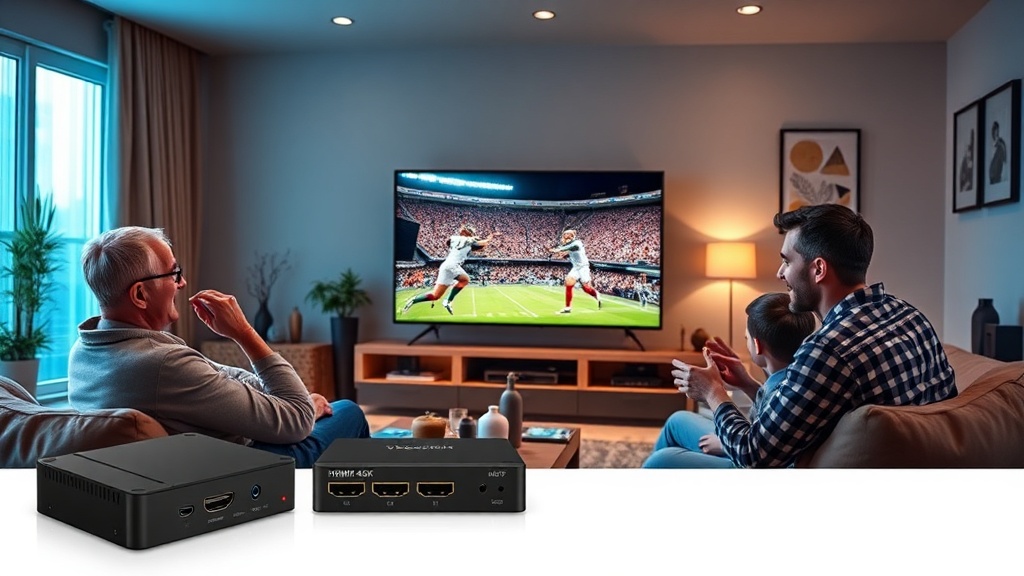
The versatility of the Vecaster-4K HEVC HDMI IPTV Encoder opens up a vast array of applications across various industries. In the realm of professional broadcasting, it’s indispensable for transmitting live 4K events, from major sporting spectaculars to music concerts. Its ability to deliver high-quality video efficiently makes it ideal for reaching global audiences without significant infrastructure upgrades. News organizations can leverage it for live field reporting, ensuring timely and clear dissemination of information. The Vecaster-4K HEVC HDMI IPTV Encoder stands as a backbone for modern broadcast operations.
For corporate environments, the Vecaster-4K HEVC HDMI IPTV Encoder is perfect for internal communications, such as company-wide meetings, training sessions, and executive addresses. High-quality video ensures that all participants, regardless of their location, receive clear and engaging content. This enhances employee engagement and facilitates effective knowledge transfer. Educational institutions can also benefit by streaming lectures, seminars, and virtual classrooms in 4K, providing a richer learning experience for students. Consider how the Vecaster-4K HEVC HDMI IPTV Encoder can enhance your organization’s communication strategy by visiting pages like cricfree.to/devices to see compatible hardware.
In the hospitality industry, hotels and resorts can use the Vecaster-4K HEVC HDMI IPTV Encoder to deliver premium entertainment and information services to guest rooms. This includes offering 4K local and international channels, on-demand movies, and personalized welcome messages. The superior video quality significantly enhances the guest experience. Similarly, in digital signage applications, the encoder can power dynamic 4K displays in retail stores, airports, and public spaces, delivering eye-catching advertisements and informational content. The Vecaster-4K HEVC HDMI IPTV Encoder offers unparalleled clarity for these demanding visual applications.
Even for individual content creators and small businesses, the Vecaster-4K HEVC HDMI IPTV Encoder offers professional-grade streaming capabilities. YouTubers, Twitch streamers, and online educators can elevate their production quality by streaming in 4K HEVC, attracting larger audiences and providing a more immersive viewing experience. The efficiency of HEVC also means that high-quality streams are more accessible to viewers with varying internet speeds. The Vecaster-4K HEVC HDMI IPTV Encoder democratizes access to advanced streaming technology, making professional-grade video production more attainable.
Setting Up Your Vecaster-4K HEVC HDMI IPTV Encoder for Optimal Performance
Configuring a Vecaster-4K HEVC HDMI IPTV Encoder for optimal performance involves several key steps, starting with physical connection. Ensure your 4K HDMI source is connected securely to the encoder’s HDMI input. Power on the device and connect it to your network via an Ethernet cable. Most Vecaster-4K HEVC HDMI IPTV Encoder units are accessed and configured through a web-based interface. You’ll typically find the default IP address in the user manual or discover it using network scanning tools. Once logged in, the real configuration begins.
Within the web interface, navigate to the video settings. Here, you will define your encoding parameters. For 4K content, select the appropriate resolution (e.g., 3840×2160) and frame rate (e.g., 30fps or 60fps). Crucially, ensure HEVC (H.265) is selected as the video codec. Next, adjust the bitrate. While HEVC is efficient, 4K still requires a higher bitrate than HD. Experiment with different bitrates to find the sweet spot between visual quality and bandwidth consumption. Common bitrates for 4K HEVC can range from 8 Mbps to 25 Mbps, depending on the complexity of the content and desired quality. The Vecaster-4K HEVC HDMI IPTV Encoder allows for fine-tuning these settings.
Audio settings are equally important. Configure the audio codec, typically AAC, and set the bitrate and sample rate to match your requirements. High-quality audio significantly enhances the overall viewing experience. After configuring video and audio, move to the streaming settings. This is where you select your desired streaming protocol (e.g., RTMP, HLS, UDP). If using RTMP, you’ll need the server URL and stream key from your streaming platform (e.g., YouTube, Twitch, a custom CDN). For HLS, configure the segment duration and playlist type. The Vecaster-4K HEVC HDMI IPTV Encoder offers extensive options for various streaming scenarios.
Finally, perform thorough testing. Start a stream and monitor its quality and stability on various playback devices. Check for any artifacts, dropped frames, or audio synchronization issues. Adjust settings as needed. It’s also advisable to monitor your network bandwidth usage to ensure you’re not exceeding your capacity. Many Vecaster-4K HEVC HDMI IPTV Encoder models offer real-time monitoring tools within their interface. For detailed insights into pricing structures for different streaming solutions, consider visiting cricfree.to/pricing.
Integrating the Vecaster-4K HEVC HDMI IPTV Encoder into Existing Workflows
Seamless integration of the Vecaster-4K HEVC HDMI IPTV Encoder into an existing video workflow is a critical consideration for many organizations. Its broad support for standard streaming protocols makes this process relatively straightforward. For broadcasters, the encoder can feed directly into a CDN (Content Delivery Network), which then distributes the 4K HEVC streams to a global audience. The efficiency of HEVC significantly reduces the load on the CDN, leading to cost savings and improved delivery performance. This makes the Vecaster-4K HEVC HDMI IPTV Encoder a valuable component in any modern broadcast chain.
In corporate and educational settings, the Vecaster-4K HEVC HDMI IPTV Encoder can be integrated with existing video management systems (VMS) or learning management systems (LMS). By outputting streams in compatible formats, the encoder allows content to be easily indexed, archived, and distributed within these platforms. This streamlines content delivery and ensures that high-quality 4K video is accessible to the intended audience through familiar interfaces. The flexibility of the Vecaster-4K HEVC HDMI IPTV Encoder ensures it can adapt to diverse technological ecosystems.
For live event production, the Vecaster-4K HEVC HDMI IPTV Encoder can be combined with vision mixers, audio consoles, and graphics generators. The HDMI input ensures compatibility with professional video equipment, while the IP output allows for flexible routing to various destinations, including social media platforms, dedicated event websites, or private viewing portals. This enables event organizers to deliver a polished, high-definition experience to both physical and virtual attendees. The Vecaster-4K HEVC HDMI IPTV Encoder is truly built for dynamic live production environments.
Furthermore, the encoder can be integrated into home automation or smart building systems for specialized applications, such as surveillance or interactive displays. The ability to stream 4K HEVC over IP networks makes it possible to distribute high-resolution video to multiple screens or recording devices efficiently. Developers can leverage the encoder’s API (if available) to build custom integrations and control functionalities, further enhancing its utility within complex systems. The Vecaster-4K HEVC HDMI IPTV Encoder is designed with adaptability in mind, catering to a broad spectrum of integration needs.
Future Trends and the Vecaster-4K HEVC HDMI IPTV Encoder in 2026
As we look towards 2026, the landscape of video streaming continues to evolve rapidly. The Vecaster-4K HEVC HDMI IPTV Encoder is well-positioned to remain a crucial tool in this future. We anticipate a continued surge in demand for 4K content, driven by the increasing availability of 4K displays and devices. HEVC’s efficiency will become even more critical as bandwidth demands grow, and the Vecaster-4K HEVC HDMI IPTV Encoder will be at the forefront of this trend, enabling high-quality delivery across various network conditions. The future of streaming is undeniably high-resolution and efficient.
One significant trend is the rise of 8K video. While the Vecaster-4K HEVC HDMI IPTV Encoder focuses on 4K, the underlying HEVC technology is capable of encoding 8K. Future iterations or advanced models of the Vecaster series may incorporate 8K HDMI inputs and even more powerful processing to handle the immense data rates of 8K content. The transition from 4K to 8K will mirror the shift from HD to 4K, with HEVC playing a vital role in making it feasible for mass distribution. This evolution will further solidify the importance of advanced encoding solutions.
Another area of growth is interactive and immersive video experiences, including virtual reality (VR) and augmented reality (AR). While these often require specialized encoding, the foundation laid by high-efficiency codecs like HEVC is essential. As these technologies mature, encoders capable of handling complex, multi-stream 4K (or higher) content will be in high demand. The Vecaster-4K HEVC HDMI IPTV Encoder, with its focus on efficiency and quality, provides a strong base for exploring these new frontiers in video delivery.
Furthermore, cloud-based encoding and hybrid encoding solutions are gaining traction. While the Vecaster-4K HEVC HDMI IPTV Encoder is typically a hardware appliance, its integration capabilities mean it can seamlessly fit into hybrid workflows where some encoding is done on-premise and some in the cloud. This offers flexibility, scalability, and disaster recovery options. The continuous development of AI-powered encoding algorithms may also lead to even greater efficiency and quality improvements, potentially delivering better results with the same or even lower bitrates. The Vecaster-4K HEVC HDMI IPTV Encoder is poised to adapt and integrate with these emerging technologies, ensuring its relevance in the dynamic streaming ecosystem of 2026 and beyond.
Maintenance and Troubleshooting for Your Vecaster-4K HEVC HDMI IPTV Encoder
Maintaining your Vecaster-4K HEVC HDMI IPTV Encoder is essential to ensure its longevity and consistent performance. Regular checks of physical connections, such as HDMI cables and Ethernet, can prevent many common issues. Ensure cables are securely plugged in and not damaged. Periodically cleaning the device’s ventilation ports can prevent dust buildup, which can lead to overheating and reduced performance. A clean encoder is a happy encoder, ensuring the Vecaster-4K HEVC HDMI IPTV Encoder operates at its peak.
Software updates are another critical aspect of maintenance. Manufacturers frequently release firmware updates that improve performance, add new features, and patch security vulnerabilities. Always check the manufacturer’s website for the latest firmware for your Vecaster-4K HEVC HDMI IPTV Encoder model and follow the update instructions carefully. Keeping the firmware current ensures you have access to the latest optimizations and security enhancements, maximizing the potential of your Vecaster-4K HEVC HDMI IPTV Encoder.
When troubleshooting, start with the basics. If you’re experiencing no video output, first verify the HDMI source is working correctly and that the cable is functional. Check the encoder’s status lights; they often provide visual cues about its operational state. If there’s no network connectivity, ensure your Ethernet cable is connected and that the network settings (IP address, subnet mask, gateway) are correctly configured in the encoder’s web interface. A simple reboot of the Vecaster-4K HEVC HDMI IPTV Encoder can often resolve transient issues.
For streaming-specific problems, such as buffering or poor quality, investigate your network bandwidth. Is your internet connection stable and fast enough to support the bitrate you’ve configured? Also, check the settings on your streaming platform or CDN to ensure they match the encoder’s output. If you’re using multiple protocols, test each one individually. Consulting the user manual or the manufacturer’s support resources can provide specific troubleshooting steps for your Vecaster-4K HEVC HDMI IPTV Encoder model. Documenting any changes you make can also help in reverting to a known working configuration if issues arise.
FAQ about the Vecaster-4K HEVC HDMI IPTV Encoder
Q1: What is the primary benefit of using HEVC (H.265) with the Vecaster-4K HEVC HDMI IPTV Encoder?
The primary benefit is significantly improved compression efficiency. HEVC can deliver the same video quality as H.264 at roughly half the bitrate, which is crucial for streaming high-resolution 4K content efficiently and reducing bandwidth requirements.
Q2: Can the Vecaster-4K HEVC HDMI IPTV Encoder stream to multiple platforms simultaneously?
Many models of the Vecaster-4K HEVC HDMI IPTV Encoder support simultaneous output to multiple streaming protocols and destinations, allowing you to stream to platforms like YouTube, Twitch, and a private CDN all at once.
Q3: Is the Vecaster-4K HEVC HDMI IPTV Encoder difficult to set up for a non-technical user?
While some technical understanding is beneficial, most Vecaster-4K HEVC HDMI IPTV Encoder units feature a user-friendly web-based interface that simplifies configuration. Basic setup involves connecting cables, accessing the web interface, and entering stream parameters.
Q4: What kind of HDMI sources are compatible with the Vecaster-4K HEVC HDMI IPTV Encoder?
The Vecaster-4K HEVC HDMI IPTV Encoder is compatible with a wide range of HDMI sources, including professional cameras, consumer camcorders, media players, Blu-ray players, gaming consoles, and satellite/cable set-top boxes, as long as they output a compatible 4K HDMI signal.
Q5: How important is network bandwidth when using the Vecaster-4K HEVC HDMI IPTV Encoder for 4K streaming?
Network bandwidth is extremely important. Even with HEVC’s efficiency, 4K streaming requires significant bandwidth (typically 8-25 Mbps for a single stream). Ensure your internet connection is stable and provides sufficient upload speed to prevent buffering or quality degradation.
Related IPTV Services
You may also visit the following websites for similar services: