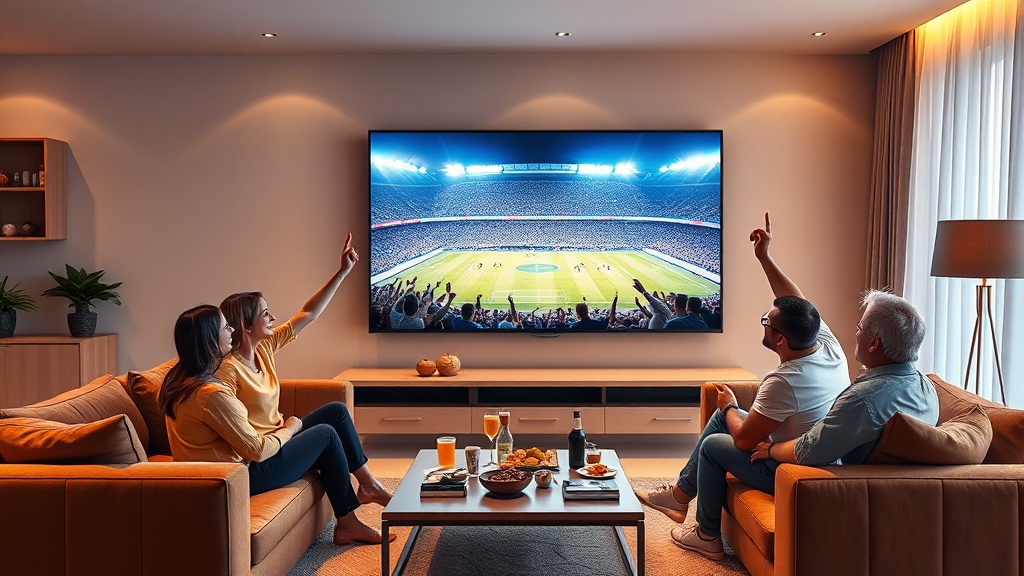

Smart IPTV has revolutionized the way we consume digital content, transforming ordinary televisions into powerful entertainment hubs. In 2026, the landscape of digital streaming is more vibrant and diverse than ever, with Smart IPTV leading the charge in delivering unparalleled access to live TV, movies, and on-demand content. This comprehensive guide will delve deep into everything you need to know about Smart IPTV, from its core functionalities to advanced tips and tricks, ensuring you get the most out of your viewing experience. Whether you’re a seasoned streaming enthusiast or new to the world of internet television, understanding Smart IPTV is crucial for navigating the future of entertainment.
Table of ContentsUnderstanding Smart IPTV: The Future of TelevisionChoosing the Best Smart IPTV Provider for Your NeedsOptimizing Your Smart IPTV Experience for Peak PerformanceEnhancing Your Smart IPTV Setup with Advanced FeaturesTroubleshooting Common Smart IPTV Issues in 2026The Future Landscape of Smart IPTV and Content ConsumptionFAQs About Smart IPTV in 2026Related IPTV Services
Understanding Smart IPTV: The Future of Television
Smart IPTV, or Internet Protocol Television, uses internet protocols to deliver television content. Unlike traditional broadcast methods (cable or satellite), Smart IPTV transmits data over the internet, offering a more flexible and often richer viewing experience. This technology allows for a vast array of channels and on-demand content, often at a fraction of the cost of conventional subscriptions. In 2026, the technology behind Smart IPTV has matured significantly, offering better stability, higher quality streams, and more intuitive user interfaces.
The core appeal of Smart IPTV lies in its versatility. Users can access content on a multitude of devices, from smart TVs and smartphones to tablets and dedicated streaming boxes. This multi-platform accessibility means your entertainment is no longer confined to a single living room, but is truly portable. The advancement in internet infrastructure globally has also played a crucial role in the widespread adoption of Smart IPTV across various devices, making high-definition streaming a reality for millions.
Moreover, Smart IPTV services often come packed with features that enhance the viewing experience. These include electronic program guides (EPGs), catch-up TV, and video-on-demand (VOD) libraries. These functionalities empower viewers with more control over what, when, and how they watch, moving away from rigid broadcasting schedules. The continuous evolution of Smart IPTV ensures that it remains at the forefront of digital entertainment, adapting to consumer demands and technological advancements.
For those looking to explore a vast array of channels, understanding how to effectively manage and optimize your Smart IPTV setup is key. This includes choosing the right service provider, configuring your devices, and troubleshooting common issues. The flexibility offered by Smart IPTV is truly unparalleled, providing a personalized viewing experience that traditional television simply cannot match.
Choosing the Best Smart IPTV Provider for Your Needs
Selecting the right Smart IPTV provider is paramount to a satisfying streaming experience. With a multitude of options available in 2026, it’s essential to consider several factors before committing to a service. Key considerations include channel selection, stream quality, reliability, customer support, and, of course, pricing. A good provider will offer a diverse range of channels, including international options, sports, movies, and documentaries, catering to all tastes.
Stream quality is another critical aspect. Look for providers that offer high-definition (HD), full HD (FHD), and even 4K content to ensure a crisp and immersive viewing experience. Buffering and low-quality streams can quickly diminish enjoyment, so reading reviews and testing trial periods are highly recommended. Many reputable Smart IPTV services offer trial subscriptions, allowing you to assess their performance before making a long-term commitment. This trial period is invaluable for gauging the service’s stability and content library.
Reliability and customer support are equally important. A reliable Smart IPTV service will have minimal downtime and quick resolution times for any technical issues. Responsive customer support can make a significant difference, especially for new users who might need assistance with setup or troubleshooting. Don’t underestimate the value of accessible support when dealing with a service that relies heavily on internet connectivity.
Finally, compare Smart IPTV pricing plans. While affordability is appealing, be wary of providers offering unrealistically low prices, as this can often indicate a compromise on quality or reliability. A balance between cost and quality is ideal. Remember, investing in a slightly more expensive but reputable Smart IPTV service can save you a lot of frustration in the long run.
Optimizing Your Smart IPTV Experience for Peak Performance

To truly unlock the potential of Smart IPTV, optimization is key. A high-speed and stable internet connection is the foundation of any good streaming experience. Ensure your broadband speed meets or exceeds the recommendations for HD and 4K streaming – typically 25 Mbps for HD and 50 Mbps or more for 4K. A wired Ethernet connection is always preferable to Wi-Fi for streaming, as it provides greater stability and less interference, reducing the chances of buffering and drops in quality while enjoying Smart IPTV.
Your routing equipment also plays a significant role. An outdated router can bottleneck your internet speed, even if your ISP provides a fast connection. Consider upgrading to a modern router that supports dual-band Wi-Fi (2.4 GHz and 5 GHz) and, ideally, Wi-Fi 6 for optimal performance. Placing your router strategically to minimize obstacles and interference can also improve Wi-Fi signal strength for your Smart IPTV devices.
Furthermore, managing background applications and device resources can significantly impact your Smart IPTV performance. Close any unnecessary apps on your streaming device to free up processing power and memory. Regularly updating your device’s firmware and the Smart IPTV application itself ensures you benefit from the latest performance enhancements and bug fixes. These small steps collectively contribute to a smoother, more enjoyable Smart IPTV viewing experience.
Another crucial tip is to use a VPN (Virtual Private Network) if you encounter geo-restrictions or ISP throttling. A VPN can mask your IP address, allowing you to access content unavailable in your region and potentially bypassing bandwidth limitations imposed by your internet service provider. However, choose a VPN provider that offers fast speeds and a large server network to avoid further slowing down your Smart IPTV connection.
Enhancing Your Smart IPTV Setup with Advanced Features
Beyond basic streaming, modern Smart IPTV services offer a plethora of advanced features designed to elevate your viewing experience. One such feature is the Electronic Program Guide (EPG), which provides a detailed schedule of current and upcoming programs. A well-implemented EPG makes navigating through hundreds of channels effortless, allowing you to plan your viewing in advance and discover new content. Many Smart IPTV apps integrate EPGs seamlessly, offering a user-friendly interface.
Catch-up TV is another invaluable feature, allowing you to watch programs that have already aired. This is particularly useful for those with busy schedules who might miss live broadcasts. Depending on the provider, catch-up periods can range from a few hours to several days, giving you ample time to catch up on your favorite shows. This flexibility is a significant advantage over traditional television, making Smart IPTV a truly on-demand service.
Video-on-Demand (VOD) libraries are also a staple of many Smart IPTV offerings. These libraries typically include a vast collection of movies, TV series, and documentaries that you can watch anytime, anywhere. The quality and breadth of VOD content vary widely among providers, so it’s worth checking what’s available before subscribing. Some services even offer premium VOD content, including the latest blockbusters and exclusive series.
Personalization features, such as creating favorite channel lists, setting reminders, and parental controls, further enhance the Smart IPTV experience. These tools allow you to tailor the service to your specific preferences and ensure a safe viewing environment for children. The ability to customize your interface and content access truly sets Smart IPTV apart, offering a bespoke entertainment solution for every household.
Troubleshooting Common Smart IPTV Issues in 2026
While Smart IPTV offers an incredible viewing experience, users may occasionally encounter issues. Knowing how to troubleshoot common problems can save you a lot of frustration. The most frequent complaint is buffering. This is often due to a slow internet connection, an overloaded server from your provider, or an outdated router. First, test your internet speed. If it’s slow, try restarting your router and modem. If the problem persists, contact your ISP. If your internet speed is adequate, the issue might lie with the Smart IPTV provider’s server, in which case contacting their support is the next step.
Another common issue is channels not loading or displaying error messages. This could be due to an expired subscription, incorrect login details, or a temporary server outage. Double-check your subscription status and ensure your login credentials are correct. If the problem continues, try restarting your Smart IPTV application or device. Sometimes, a simple reboot can resolve minor software glitches. If multiple channels are affected, it’s likely a server-side issue, and you should reach out to your Smart IPTV provider’s support team.
Picture quality issues, such as pixelation or low resolution, can also occur. This is often related to bandwidth limitations. If your internet speed drops, the Smart IPTV service might automatically reduce the stream quality to prevent buffering. Ensure no other devices on your network are consuming excessive bandwidth. If you’re using Wi-Fi, try moving closer to your router or switching to a wired connection for a more stable signal. Adjusting the video quality settings within your Smart IPTV app, if available, can also help.
Finally, app crashes or freezing can be frustrating. Ensure your Smart IPTV application is up to date. Outdated apps can have bugs that lead to instability. Clearing the app’s cache and data can also resolve many performance issues. If the problem persists, reinstalling the application might be necessary. For more persistent problems, consulting the provider’s FAQ section or contacting their technical support for your Smart IPTV service is always a good idea.
The Future Landscape of Smart IPTV and Content Consumption
The evolution of Smart IPTV is far from over. In 2026, we can anticipate even more sophisticated features and integrations. Artificial intelligence (AI) is set to play a larger role, enhancing content recommendations, personalizing user interfaces, and even optimizing stream quality in real-time based on network conditions. Imagine a Smart IPTV service that learns your viewing habits and proactively suggests new shows and movies you’re likely to enjoy, or automatically adjusts settings for the best possible experience.
Further integration with smart home ecosystems is also on the horizon. Voice commands for navigating channels, controlling playback, and searching for content will become more seamless. Your Smart IPTV could sync with other smart devices, perhaps pausing a show when someone rings your doorbell or dimming the lights automatically when a movie starts. This level of interconnectedness will create a truly immersive and convenient entertainment environment.
The content landscape itself will continue to diversify. We’ll likely see more niche channels and on-demand libraries catering to highly specific interests, moving away from the broad strokes of traditional television. Interactive content, where viewers can make choices that influence the storyline, may also become more prevalent, blurring the lines between passive viewing and active participation. The ability of Smart IPTV to adapt to these new content forms makes it incredibly resilient.
Security and privacy will also remain key areas of focus. As Smart IPTV becomes more integrated into our digital lives, providers will need to invest heavily in robust security measures to protect user data and prevent unauthorized access. The balance between convenience and privacy will be a continuous challenge, but one that the industry is actively addressing to ensure a trustworthy and enjoyable Smart IPTV experience for all.
FAQs About Smart IPTV in 2026
What exactly is Smart IPTV and how does it differ from traditional TV?
Smart IPTV (Internet Protocol Television) delivers television content over the internet using IP networks, rather than traditional terrestrial, satellite, or cable formats. The key difference is the delivery method, which allows for greater flexibility, on-demand content, and interactive features not typically available with conventional broadcasting. It utilizes your internet connection to stream content directly to your devices.
Is Smart IPTV legal to use?
The legality of Smart IPTV depends entirely on the source of the content. Using a legitimate, licensed Smart IPTV service that has the rights to broadcast the content it offers is perfectly legal. However, using services that provide unauthorized access to copyrighted material is illegal. Always ensure your provider is reputable and licensed to avoid legal issues.
What kind of internet speed do I need for Smart IPTV?
For standard definition (SD) content, a minimum of 5-10 Mbps is usually sufficient. For high-definition (HD) streams, 15-25 Mbps is recommended. If you plan to watch 4K content, you’ll need a much faster connection, ideally 50 Mbps or more. A stable connection is more important than raw speed to prevent buffering.
Can I use Smart IPTV on multiple devices simultaneously?
Most Smart IPTV providers offer different subscription tiers that dictate how many simultaneous connections you can have. Some basic plans might allow only one, while premium plans can support two, three, or even more. Check with your specific provider’s terms and conditions regarding multi-device access for your Smart IPTV subscription.
What devices are compatible with Smart IPTV?
Smart IPTV is highly versatile and compatible with a wide range of devices. These include Smart TVs (Samsung, LG, Sony, etc.), Android boxes, Amazon Fire TV Stick, Apple TV, smartphones (Android and iOS), tablets, computers (Windows, macOS, Linux), and various other streaming devices. Many providers offer dedicated apps or M3U playlists that can be used with generic IPTV players.
Related IPTV Services
You may also visit the following websites for similar services: