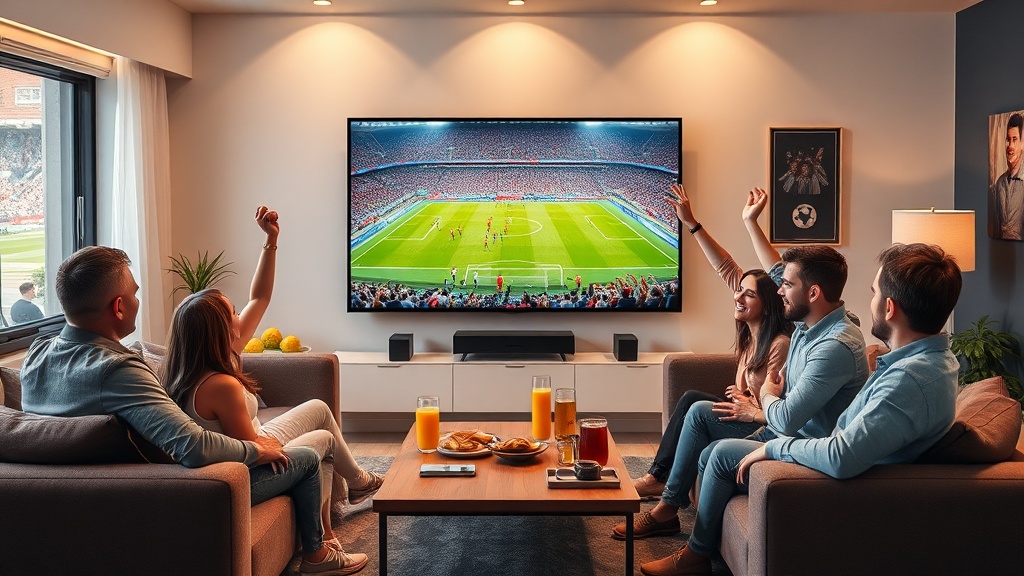

IPTV Streamers have revolutionized how we consume media, transforming traditional television into a personalized, on-demand experience. As we look towards 2026, the landscape of IPTV Streamers continues to evolve, offering unparalleled access to a vast array of content, from live sports and blockbuster movies to international channels and niche programming. This comprehensive guide will delve into everything you need to know about IPTV Streamers, helping you navigate the exciting world of internet protocol television.
Table of ContentsUnderstanding the Basics of IPTV StreamersChoosing the Right IPTV Streamers Service ProviderTop Devices for Enjoying IPTV Streamers in 2026Optimizing Your Internet Connection for IPTV StreamersTroubleshooting Common Issues with IPTV StreamersThe Future of IPTV Streamers: Trends for 2026 and BeyondLegal and Ethical Considerations for IPTV StreamersEnhancing Your IPTV Streamers Experience with Advanced FeaturesFAQ SectionRelated IPTV Services
The shift from conventional broadcast methods to internet-based delivery has opened up a world of possibilities for viewers. No longer bound by rigid schedules or limited channel selections, IPTV allows for a truly customizable viewing experience. Whether you’re a sports fanatic eager to catch every game, a movie buff looking for the latest releases, or someone who enjoys exploring content from around the globe, IPTV streamers provide the gateway to this rich content ecosystem. Understanding the various types of services, devices, and features available is crucial for making informed decisions.
In 2026, the technology powering IPTV streamers is more robust and user-friendly than ever before. Advanced compression techniques ensure high-quality streaming even with moderate internet speeds, while intuitive interfaces make navigation a breeze. The competition among providers has also driven innovation, leading to a wider range of subscription models and content packages designed to cater to diverse preferences and budgets. This article aims to equip you with the knowledge to select the best IPTV streamer for your needs, ensuring a seamless and enjoyable entertainment experience.
Beyond just entertainment, IPTV streamers are increasingly integrating with other smart home technologies, offering a more interconnected and convenient lifestyle. Imagine controlling your viewing experience with voice commands or seamlessly switching between devices without interruption. The future of television is here, and IPTV streamers are at its forefront, constantly pushing the boundaries of what’s possible in digital media consumption. Let’s explore how to make the most of this powerful technology.
Understanding the Basics of IPTV Streamers
At its core, IPTV (Internet Protocol Television) delivers television content over internet protocol networks. Unlike traditional cable or satellite, which use dedicated broadcasting methods, IPTV leverages your internet connection to stream content directly to your devices. This fundamental difference unlocks a multitude of advantages, primarily flexibility and accessibility. With IPTV, you’re no longer tied to a physical cable connection or limited by the dish’s line of sight.
The process involves a provider sending encrypted video streams to your device, which then decodes and displays the content. This allows for features like video-on-demand (VOD), time-shifted TV (allowing you to watch programs after they’ve aired), and live television. The quality of your viewing experience largely depends on your internet speed and the stability of your IPTV subscription. High-definition (HD) and even ultra-high-definition (UHD) content require a robust and reliable internet connection to prevent buffering and ensure crisp visuals.
Various components make up an IPTV system, including the content source (broadcasters, studios), the IPTV service provider, and the end-user device. The service provider acts as an intermediary, acquiring content rights and then delivering it to subscribers. This ecosystem ensures a wide variety of content is available, often at competitive prices compared to traditional services. Understanding these basic elements is the first step toward appreciating the power and versatility of IPTV streamers.
The technology behind IPTV is constantly evolving. Newer codecs, such as H.265 (HEVC), allow for more efficient compression, meaning higher quality video can be streamed using less bandwidth. This is particularly beneficial for viewers in areas with slower internet speeds or for those who want to conserve data. The widespread adoption of these advanced technologies ensures that IPTV streamers will continue to offer a premium viewing experience for years to come.
Choosing the Right IPTV Streamers Service Provider
Selecting an IPTV service provider is perhaps the most critical decision you’ll make when venturing into the world of IPTV. The market is saturated with options, each offering different channel lineups, pricing structures, and levels of customer support. It’s essential to do your due diligence to find a reputable provider that aligns with your viewing preferences and budget. Look for providers with a strong track record and positive user reviews.
Consider the types of content you primarily want to watch. Are you interested in international channels, sports packages, or a vast library of movies and TV shows? Many providers specialize in certain niches, so identifying your priorities will help narrow down your choices. For instance, if you’re a sports fanatic, you’ll want to ensure the provider offers comprehensive sports channels and event coverage. Some providers also offer specialized add-ons for premium content.
Pricing is another significant factor. IPTV subscriptions vary widely, from monthly plans to annual packages. While cheaper options might seem appealing, be wary of providers offering unrealistic prices, as they may compromise on quality or reliability. A good balance between cost and service quality is key. Many providers offer free trials, which are an excellent way to test their service before committing to a long-term subscription. This allows you to assess stream quality, channel availability, and overall user experience.
Customer support is often overlooked but becomes crucial when you encounter issues. A responsive and knowledgeable support team can make a huge difference in resolving technical glitches or billing inquiries promptly. Check for providers that offer multiple support channels, such as live chat, email, or phone support. A reliable provider of IPTV streamers will prioritize user satisfaction and provide clear communication regarding service updates or outages.
Top Devices for Enjoying IPTV Streamers in 2026

To fully enjoy the benefits of IPTV, you need a compatible device that can effectively decode and display the content. Fortunately, the market for IPTV devices is diverse, ranging from smart TVs and dedicated set-top boxes to smartphones and tablets. The best device for you will depend on your viewing habits, technical proficiency, and budget. Each category offers a unique set of advantages and features.
Smart TVs with built-in IPTV apps are incredibly convenient, eliminating the need for additional hardware. Many modern smart TVs come with app stores where you can download popular IPTV player applications, providing a seamless integration with your existing home entertainment setup. However, the performance can vary depending on the TV’s processing power and operating system. For a dedicated and optimized experience, many users opt for external devices.
Dedicated IPTV set-top boxes, such as Android TV boxes, Amazon Fire TV Stick, and NVIDIA Shield, are perennial favorites. These devices are designed specifically for streaming and often come with powerful processors, ample storage, and robust Wi-Fi capabilities. They offer a stable and fluid user experience, supporting a wide range of IPTV applications and often providing advanced features like 4K streaming and gaming. The Amazon Fire TV Stick, for example, is a popular choice due to its affordability and user-friendly interface for IPTV streamers.
For mobile viewing, smartphones and tablets are excellent choices. Numerous IPTV applications are available for both Android and iOS devices, allowing you to watch your favorite content on the go. These devices are perfect for commuters, travelers, or anyone who wants the flexibility to watch content anywhere with an internet connection. While the screen size is smaller, the convenience factor is undeniable, making them essential for a truly portable IPTV experience.
Optimizing Your Internet Connection for IPTV Streamers
A stable and fast internet connection is the backbone of a high-quality IPTV experience. Without adequate bandwidth, you’ll likely encounter buffering, pixelation, and dropped connections, significantly diminishing your enjoyment of IPTV streamers. Therefore, optimizing your internet setup is paramount to ensure smooth and uninterrupted streaming, especially when dealing with high-definition or 4K content.
First and foremost, assess your internet speed. Most IPTV providers recommend a minimum of 10-20 Mbps for standard definition and 25-50 Mbps for HD content. For 4K streaming, you’ll need at least 50-100 Mbps. You can easily check your current speed using various online speed test tools. If your speed falls short of these recommendations, consider upgrading your internet plan or contacting your ISP to troubleshoot potential issues.
Wi-Fi signal strength and stability play a crucial role. While Wi-Fi offers convenience, a wired Ethernet connection is always preferable for IPTV streamers, as it provides a more stable and faster connection with less interference. If a wired connection isn’t feasible, ensure your Wi-Fi router is strategically placed to minimize obstructions and maximize signal coverage. Upgrading to a newer router with support for Wi-Fi 6 can also significantly improve performance and reduce latency.
Minimizing network congestion is another important step. If multiple devices are simultaneously using your internet connection for bandwidth-intensive activities like gaming or large downloads, it can impact your IPTV streaming quality. Consider implementing Quality of Service (QoS) settings on your router, which allows you to prioritize traffic for your IPTV device, ensuring it receives sufficient bandwidth even during peak usage. These optimizations are key for seamless IPTV streamers operation.
Troubleshooting Common Issues with IPTV Streamers
Even with the best setup, you might occasionally encounter issues with your IPTV streamers. Knowing how to troubleshoot common problems can save you a lot of frustration and get you back to enjoying your content quickly. Many problems have straightforward solutions that don’t require technical expertise, making it easier for users to manage their own viewing experience.
Buffering is one of the most frequent complaints. As discussed, this is often due to a slow or unstable internet connection. Start by checking your internet speed and restarting your router and IPTV device. Closing other applications or devices consuming bandwidth can also help. If the problem persists, try connecting your device directly to the router via an Ethernet cable to rule out Wi-Fi signal issues. Sometimes, changing the video quality settings within your IPTV app to a lower resolution can also alleviate buffering.
Another common issue is channels not loading or displaying error messages. This could be due to server issues on the provider’s end, a problem with your IPTV subscription, or incorrect settings on your device. First, check your internet connection. Then, contact your IPTV service provider to see if there are any known outages or if your subscription needs to be renewed. You can also try clearing the cache of your IPTV application or reinstalling it to resolve software glitches. These steps are crucial for maintaining the functionality of IPTV streamers.
If you experience audio-video sync problems, where the sound doesn’t match the picture, it might be an issue with your device’s settings or the IPTV application itself. Try restarting the stream or adjusting the audio delay settings if your player has that option. Ensuring your device’s firmware and the IPTV app are up to date can also resolve many compatibility and performance issues. Persistent problems might indicate a need to try a different IPTV player application or even consider a different IPTV streamer device.
The Future of IPTV Streamers: Trends for 2026 and Beyond
The landscape of IPTV streamers is dynamic, constantly evolving with technological advancements and changing consumer demands. Looking ahead to 2026 and beyond, several key trends are set to shape the future of internet protocol television, promising an even more immersive, personalized, and integrated viewing experience. These innovations will continue to push the boundaries of what is possible with digital entertainment, making IPTV streamers even more indispensable.
One major trend is the widespread adoption of 8K streaming. As display technology improves and internet speeds increase, 8K content will become more prevalent, offering unparalleled visual fidelity. This will require even more robust network infrastructure and advanced compression techniques to deliver such high-resolution streams efficiently. The demand for crystal-clear visuals will drive further innovation in both hardware and software for IPTV streamers.
Personalization and AI integration will also play a significant role. Advanced algorithms will analyze viewer habits to provide highly tailored content recommendations, making it easier for users to discover new shows and movies they’ll love. Voice control will become even more sophisticated, allowing for seamless navigation and content search. Imagine simply telling your IPTV streamer what you want to watch, and it instantly finds the perfect option. This level of customization will redefine how we interact with our entertainment.
Furthermore, expect greater integration with virtual reality (VR) and augmented reality (AR) technologies. While still in nascent stages for mainstream TV, VR/AR could offer immersive viewing experiences, such as watching a live sports event from a virtual stadium seat or interacting with content in new ways. This could fundamentally change how we consume and engage with media, making IPTV streamers a gateway to entirely new digital realms. The convergence of these technologies promises an exciting future for IPTV.
Legal and Ethical Considerations for IPTV Streamers
While IPTV streamers offer incredible flexibility and access to content, it’s crucial to be aware of the legal and ethical considerations surrounding their use. The legality of IPTV services can be complex, and it’s important to differentiate between legitimate, licensed services and those that operate outside the law. Understanding these distinctions is paramount for responsible and safe consumption of digital media.
Legitimate IPTV providers acquire the necessary licenses and rights to broadcast content, ensuring that copyright holders are compensated. These services are typically subscription-based and offer transparent pricing and terms of service. Examples include major streaming platforms and authorized international broadcasters. When you subscribe to a legal IPTV service, you are supporting the content creators and the industry as a whole. This is the cornerstone of responsible use of IPTV streamers.
However, there are also many “pirate” IPTV services that illegally stream copyrighted content without proper authorization. These services often offer an unusually vast array of channels and content at suspiciously low prices. Using such services is illegal and can carry significant risks, including exposure to malware, privacy breaches, and potential legal repercussions. It’s essential to exercise caution and avoid services that appear too good to be true.
To ensure you’re using a legitimate service, always research the provider thoroughly. Look for clear contact information, transparent pricing, and positive reviews from reputable sources. Be wary of services that require obscure payment methods or make extravagant claims. Protecting yourself and supporting ethical content distribution is vital in the evolving world of IPTV streamers. Always prioritize legitimate sources for your entertainment needs.
Enhancing Your IPTV Streamers Experience with Advanced Features
Beyond basic channel streaming, many IPTV streamers and services offer advanced features that can significantly enhance your viewing experience. Leveraging these functionalities can transform your passive consumption into an interactive and highly personalized entertainment journey. Exploring these options can unlock the full potential of your IPTV setup, making it more than just a way to watch TV.
One popular feature is Electronic Program Guides (EPG). An EPG provides a detailed schedule of current and upcoming programs, similar to a traditional TV guide but often with richer information like synopses, cast details, and even user ratings. This makes it incredibly easy to browse content, plan your viewing, and discover new shows. Many IPTV applications integrate EPGs seamlessly, allowing for quick access to information and direct launching of programs. This greatly improves the usability of IPTV streamers.
Catch-up TV and Video-on-Demand (VOD) are also invaluable features. Catch-up TV allows you to watch programs that have already aired, often for a period of several days, ensuring you never miss your favorite shows. VOD, on the other hand, provides a library of movies, series, and documentaries that you can watch anytime, on demand. These features give you ultimate control over your viewing schedule, making IPTV streamers incredibly flexible and user-friendly.
Multi-screen viewing and cloud DVR capabilities are emerging as standard offerings. Multi-screen viewing allows you to watch content on different devices simultaneously within your household, while cloud DVR lets you record live TV to a cloud server, accessible from anywhere. These features add layers of convenience and flexibility, catering to modern viewing habits where individuals often watch different content at the same time. Investing in IPTV streamers with these advanced features can elevate your entertainment setup.
FAQ Section
What are IPTV Streamers?
IPTV Streamers are devices or services that deliver television content over the internet using internet protocol (IP) networks, rather than traditional broadcast methods like cable or satellite. They allow users to watch live TV, video-on-demand, and time-shifted media on various devices.
What internet speed do I need for IPTV Streamers?
For standard definition content, a minimum of 10-20 Mbps is generally recommended. For high-definition (HD) content, 25-50 Mbps is advisable, and for 4K streaming, you’ll need at least 50-100 Mbps for a smooth, buffer-free experience.
Are IPTV Streamers legal?
The legality of IPTV depends on the service provider. Legitimate IPTV services acquire proper licenses and rights to distribute content. However, unofficial or “pirate” IPTV services illegally stream copyrighted content. It’s crucial to choose a reputable and licensed provider to ensure legality and safety.
What devices are compatible with IPTV Streamers?
Many devices support IPTV, including smart TVs, Android TV boxes, Amazon Fire TV Sticks, NVIDIA Shield, smartphones, tablets, and computers. Most modern streaming devices can install IPTV applications to access services.
How do I choose the best IPTV Streamers service?
Consider factors like channel lineup, content library (VOD), pricing, reliability, customer support, and user reviews. Many providers offer free trials, which are an excellent way to test the service’s quality and features before committing to a subscription.
Related IPTV Services
You may also visit the following websites for similar services: